A new address calls for a gift, but it can be hard to picture the space behind the door. Do they already have a kitchen full of plates? Is there room for a large decorative piece? A thoughtful housewarming gift leaves space for the life they are building.
Japanese craft offers more than something to display. A cup used on a quiet morning or a tray by the door can become part of a new routine. Begin with where the object might live, then consider the story behind it.
Picture the room before choosing the craft
If you do not know the size or style of the new home, look for useful pieces that do not demand a particular room. Check the measurements of a plate, the footprint of a tray, and whether it can work alongside things the recipient already owns.
A first apartment, a shared home and a move to a familiar neighborhood are different occasions. If you can ask what the recipient needs, do. The answer may be more helpful than any gift guide.
For a new kitchen: pieces made to work together
Someone building a kitchen might welcome tableware that can be used in different parts of the day. This Mashiko pottery set pairs a plate, a cocotte and a mug. Mashiko potter Kei Ishikawa and KURASHiNO和 developed the combination with everyday use in mind.
The mug may join breakfast; the plate may be used at dinner. If your friend already owns plenty of tableware, a single carefully chosen piece could be more useful than a set. The point is to imagine its place at their table.
For an established table: add a small accent
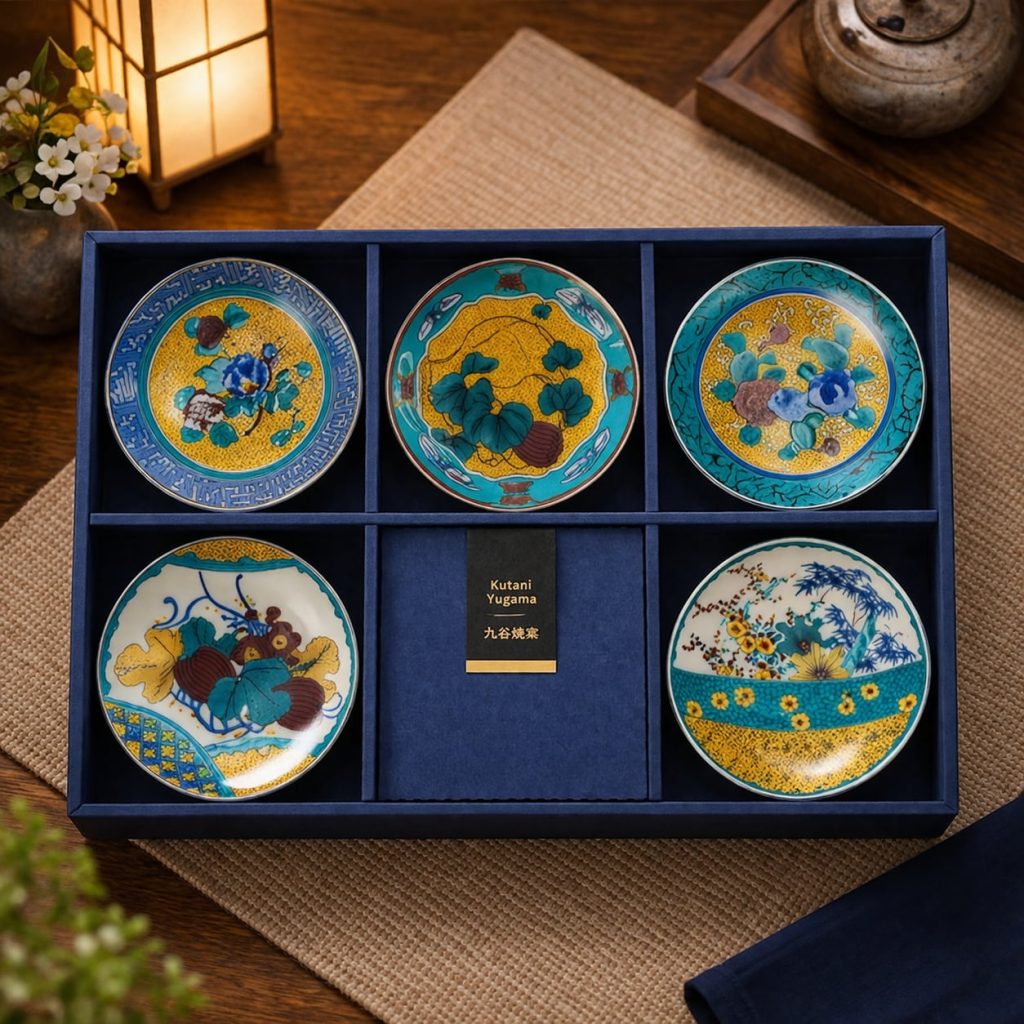
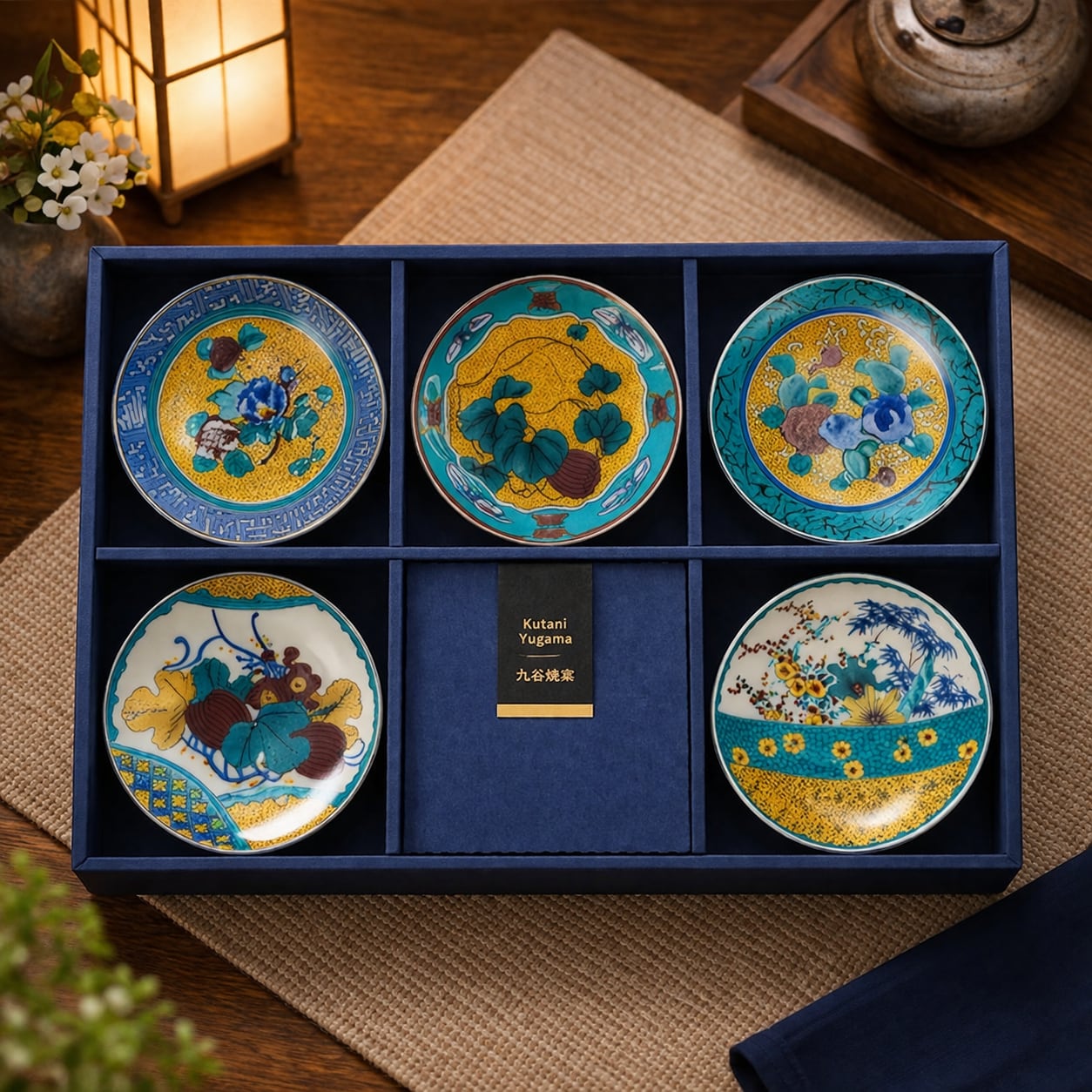
People who already have the basics may enjoy a smaller addition. Five Kutani ware small plates, with Yoshidaya-inspired colors, offer room for a little side dish, sweets or dessert. Their color can sit alongside plates the recipient already uses.
Five plates also take storage space. Before ordering, consider whether the number and size suit the household. A gift should fit the new home as well as the occasion.
Beyond the kitchen: a place for everyday objects
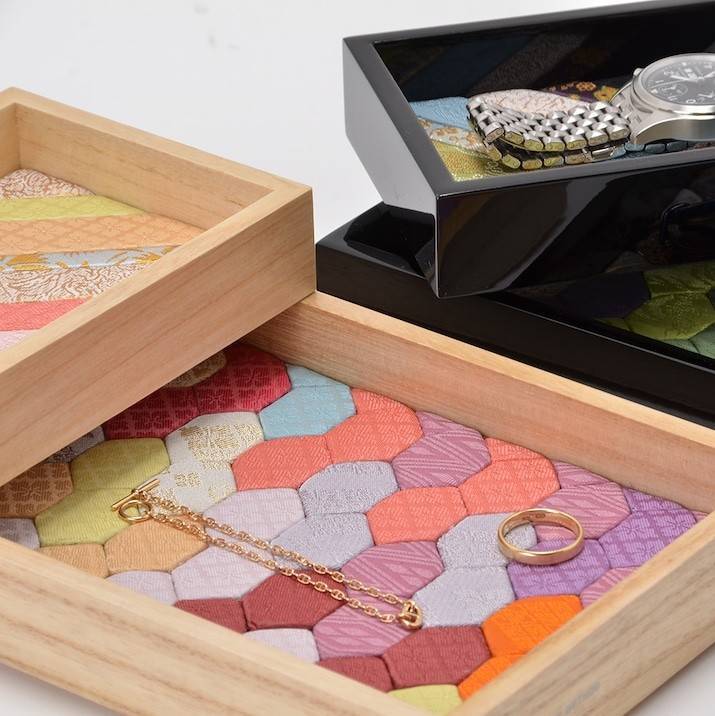
If the recipient’s taste in dinnerware is uncertain, think of a small spot near an entrance or on a desk. Edo kimekomi uses fabric tucked into grooves to decorate an object. Applied to a tray, this technique becomes a place for keys or a watch. It is one way a craft tradition can make sense in a contemporary home.
Three practical checks before you give
Size: Read the measurements on the product page and think about storage as well as display.
Care: Microwave and dishwasher guidance varies by ceramic piece; wood and fabric have their own care instructions. Check the specific listing.
Timing: Moving week is busy. Confirm the recipient’s delivery address and review production, shipping and wrapping details before ordering. These vary by product; contact the shop if a date matters.
Give the reason you chose it
“I could see this on your new table” says more than a label describing a tradition. KURASHiNO和 aims to connect artisans’ work and stories with the ways people live now. A short note about the person and the piece can help that connection travel with the gift.
For a broader approach to choosing crafts, see our guide to Japanese artisan gifts. You can also explore the KURASHiNO和 shop for pieces suited to a new home.