Choosing a Japanese artisan gift can feel difficult: Will it suit the recipient’s taste? Will they actually use it? The best choice is not necessarily the rarest or most elaborate object. It is one that fits naturally into the recipient’s everyday life. This guide explains how to choose Japanese artisan gifts across tableware, textiles, and small home accents.
Why Japanese artisan gifts feel personal
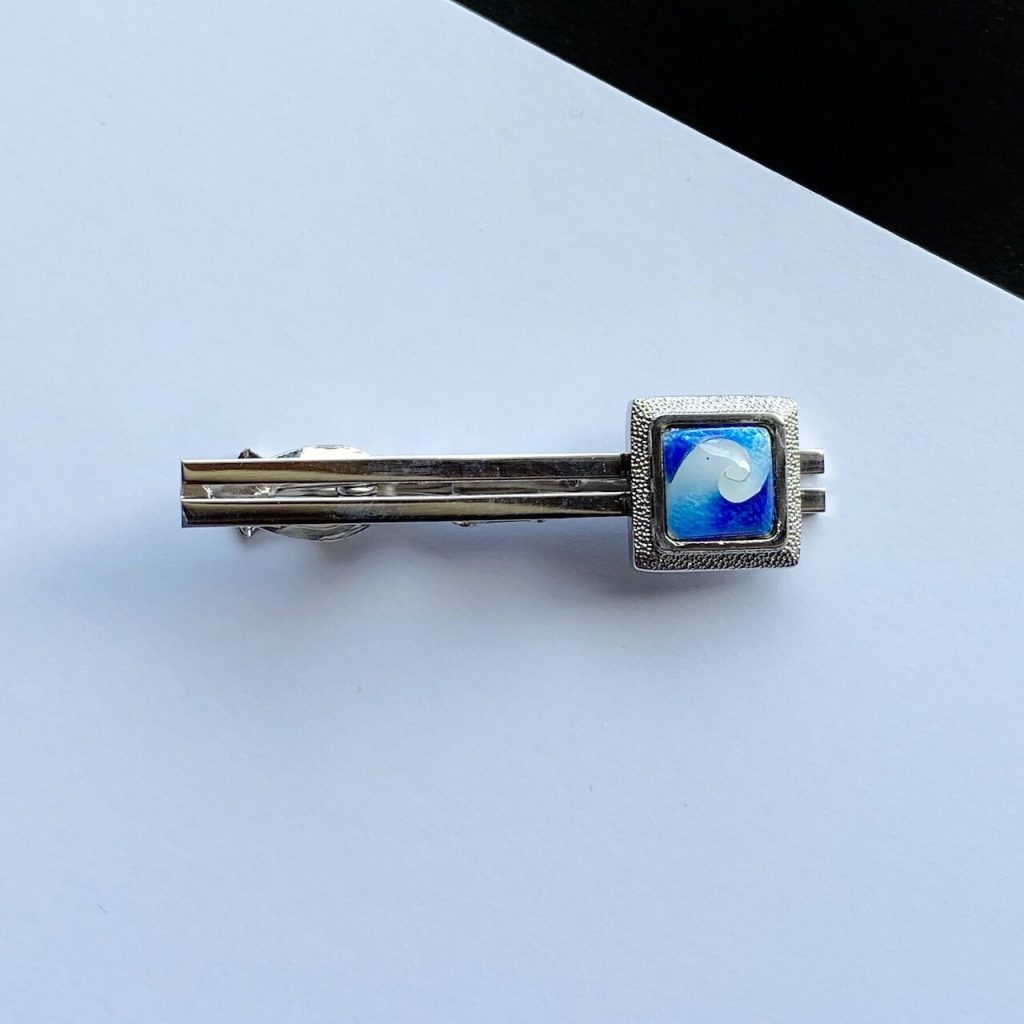
Japanese traditional crafts are shaped by regional materials, techniques, and generations of skilled handwork. Subtle variations in color, glaze, grain, or pattern give each piece its own character. A well-chosen craft carries more than function: it also carries a story of place and making.
That does not mean every craft suits every person. A gift is most meaningful when it matches a real habit, space, or ritual in the recipient’s life.
How to choose a Japanese craft gift
1. Start with a moment in their day
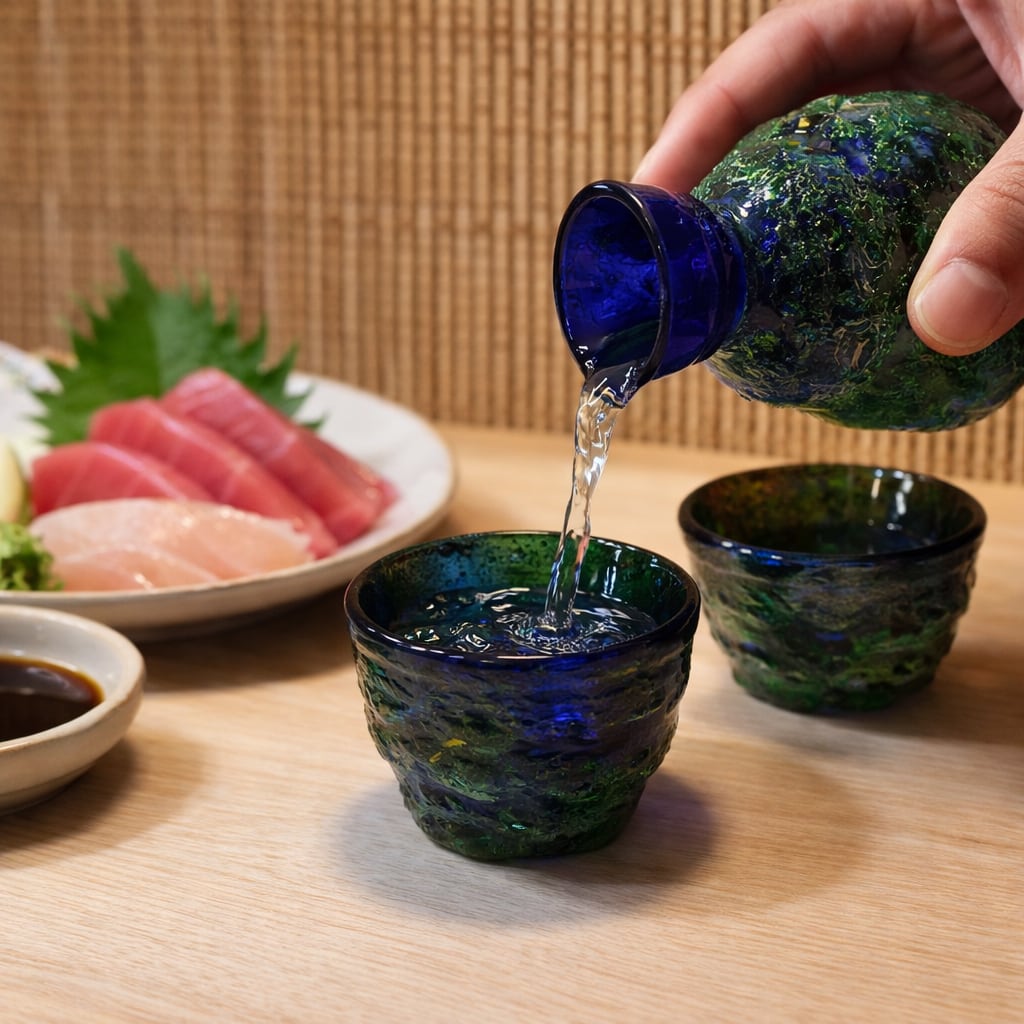
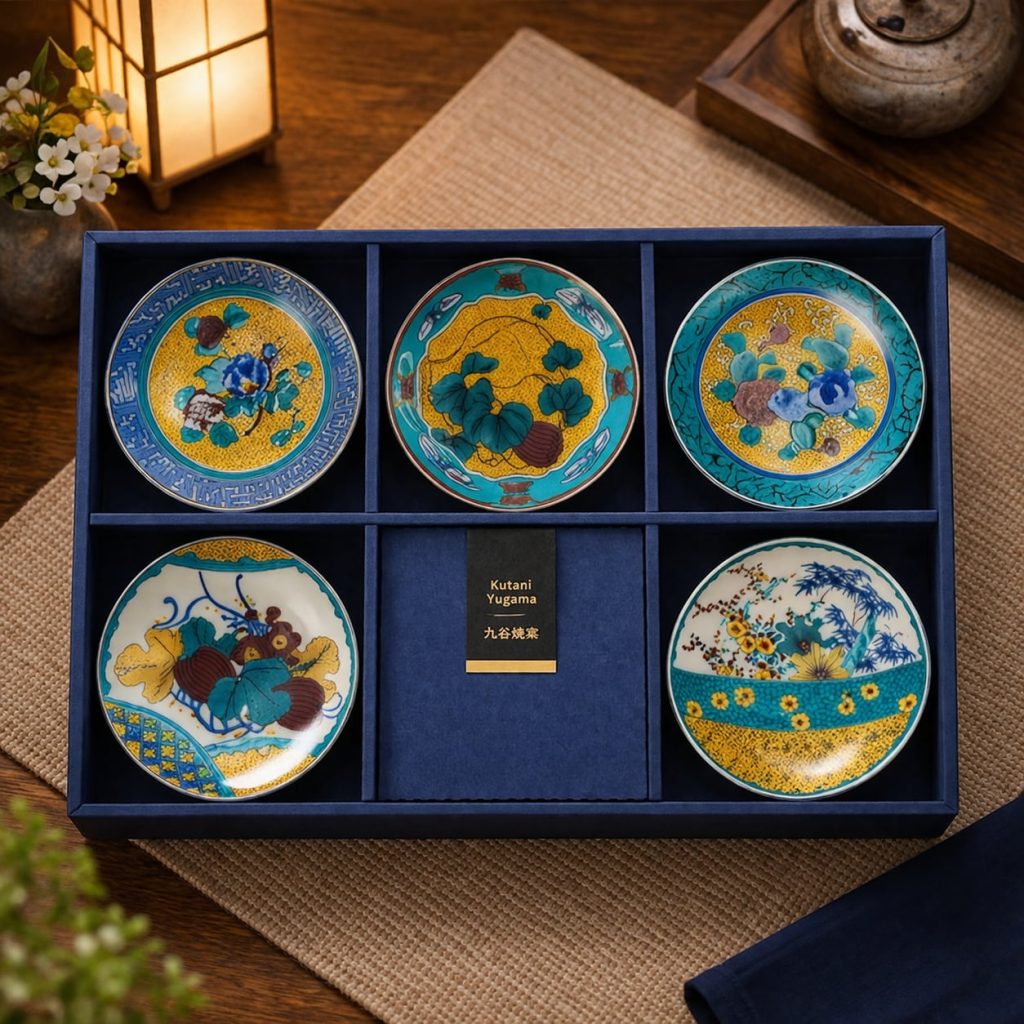
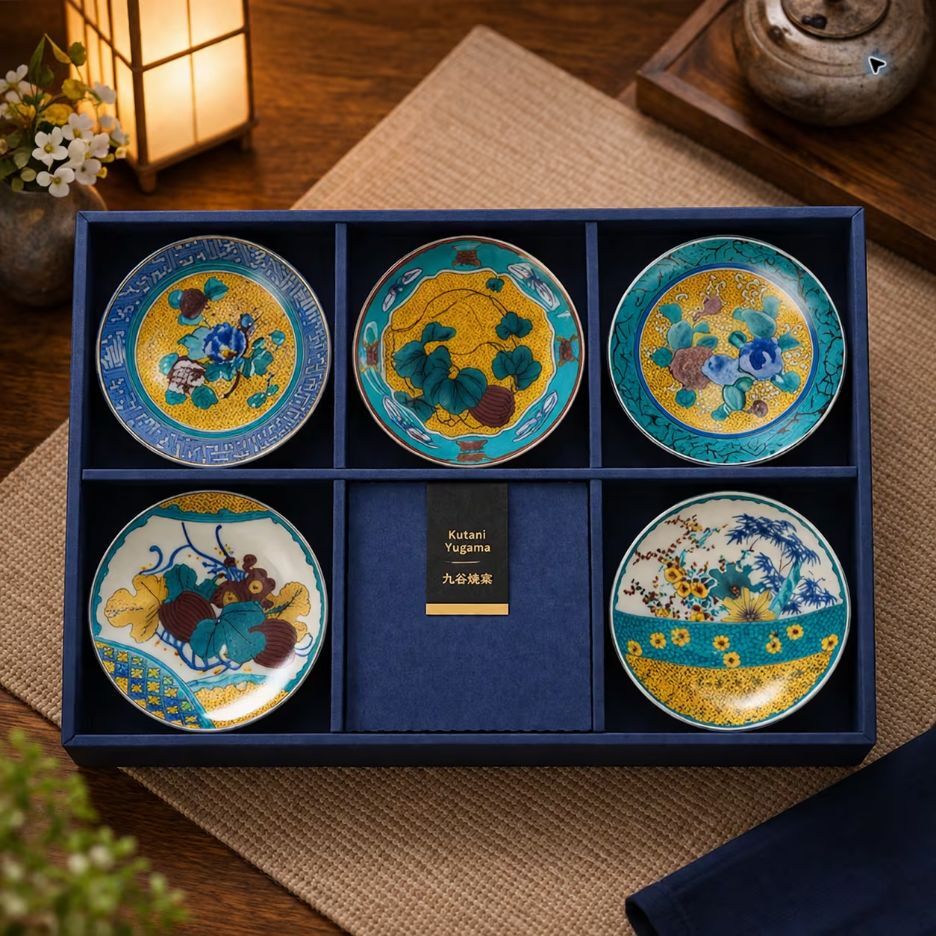
Think about when the gift might be used. A cup works well for someone who enjoys coffee or tea. Small plates or sake ware suit a person who loves setting the table. A compact vase or object may be right for someone interested in interiors.
2. Check care instructions
Dishwasher and microwave compatibility, washing methods, and storage needs vary by material and technique. Always read the product details and consider the recipient’s routine. If you are unsure, a small, practical piece with simple care requirements is often the safest choice.
3. Choose a versatile scale and palette
When you do not know the recipient’s exact taste, look for colors that work with different interiors and table settings. Compact pieces are easier to store and display, while a clear everyday purpose makes the gift easier to enjoy from the start.
Three kinds of Made in Japan gifts for daily life
Tableware: useful, tactile, and easy to enjoy
Cups, small plates, and sake ware can become part of an everyday ritual. Pieces that mix easily with existing tableware are especially gift-friendly. With handmade ceramics, variations created by glazing and firing are part of the appeal.
Textiles: flexible gifts with seasonal character
Tenugui cloths, dyed fabrics, and woven accessories may be used, displayed, or wrapped around other objects. Sharing the meaning of a pattern or technique adds another layer to the gift.
Small home accents: craftsmanship without taking over a room
A compact vase or decorative craft can bring material warmth to a shelf, desk, or windowsill. If you do not know the recipient’s home well, choose a smaller piece that can move easily between spaces.
Three details to check before ordering
- Size, capacity, and weight
- Material-specific care instructions
- Delivery time, gift wrapping, and notes about natural variation
Handcrafted objects may differ slightly from photographs or from one another. A short note explaining that these differences reflect the making process can help the recipient appreciate what makes the piece unique.
KURASHiNOwa’s approach to Japanese craftsmanship
At KURASHiNOwa, we see traditional crafts not only as objects to admire, but as objects to live with. We connect inherited skills with contemporary lifestyles and help younger generations encounter the people and stories behind Japanese craftsmanship. Learn more about KURASHiNOwa.
Begin with one useful object
A memorable Japanese gift is not defined by price alone. By imagining the recipient’s daily life, you can choose a piece that feels comfortable to use and meaningful to keep.
For more ideas, read “How to Bring Japanese Craft into Everyday Life” or our guide to Japanese housewarming gifts.